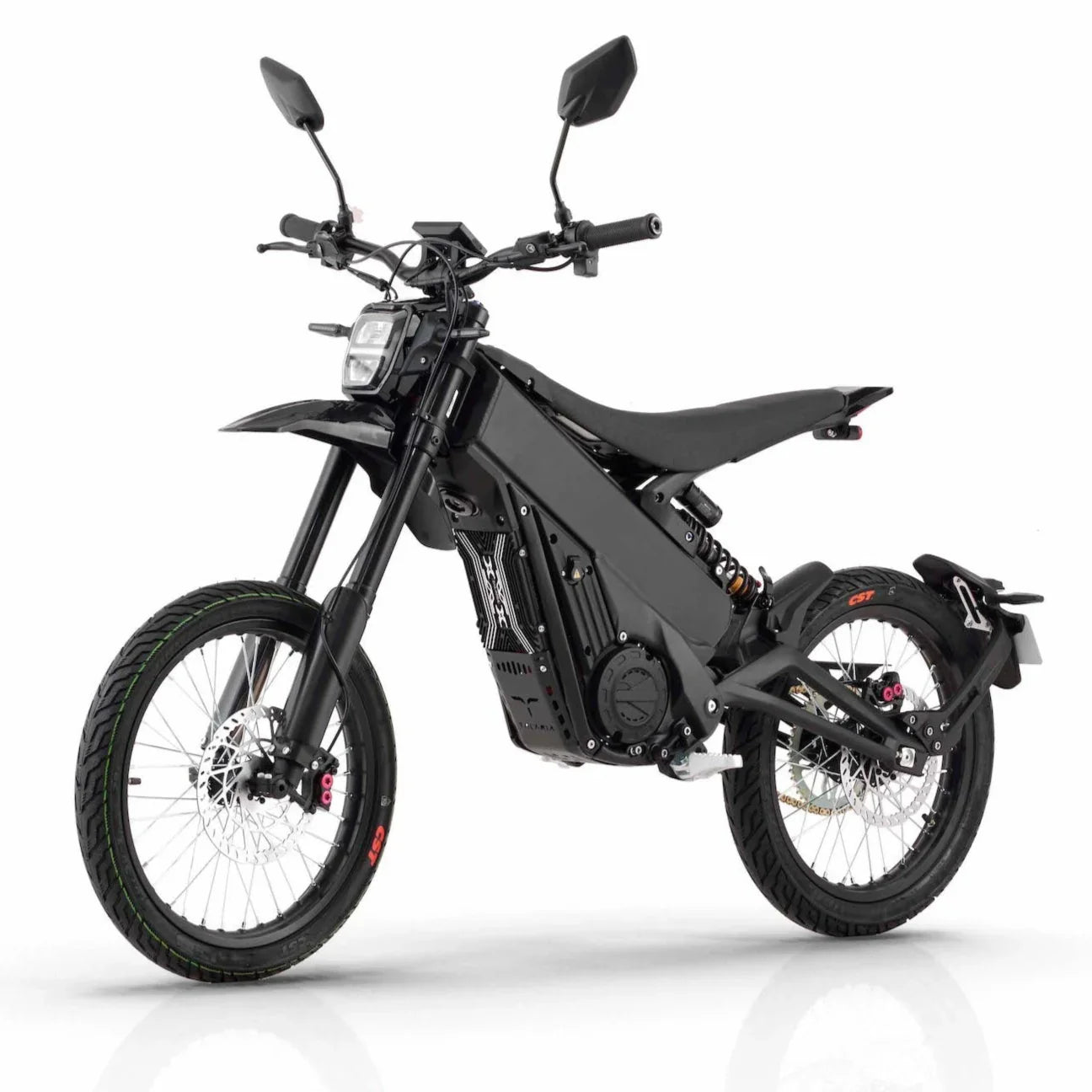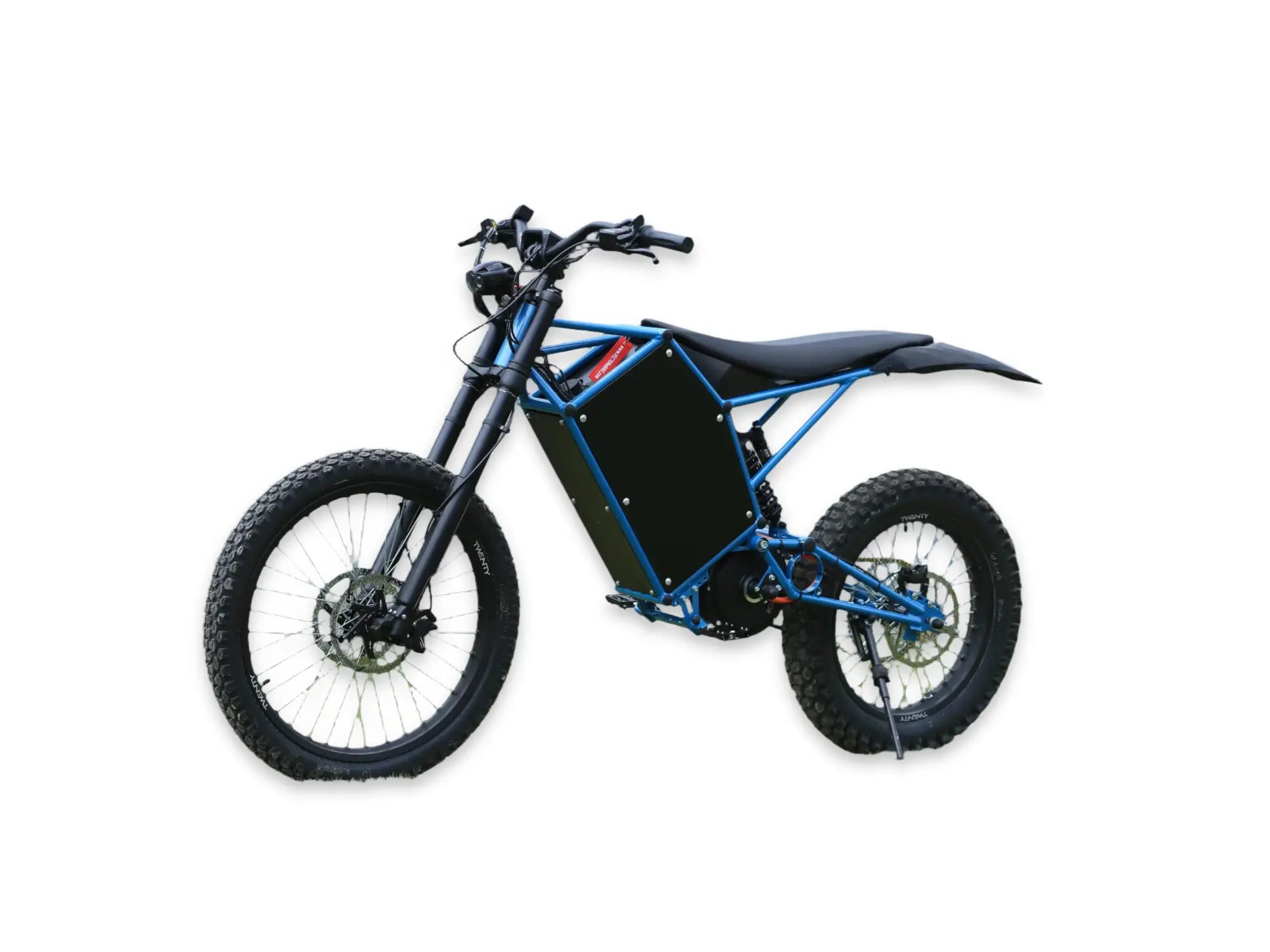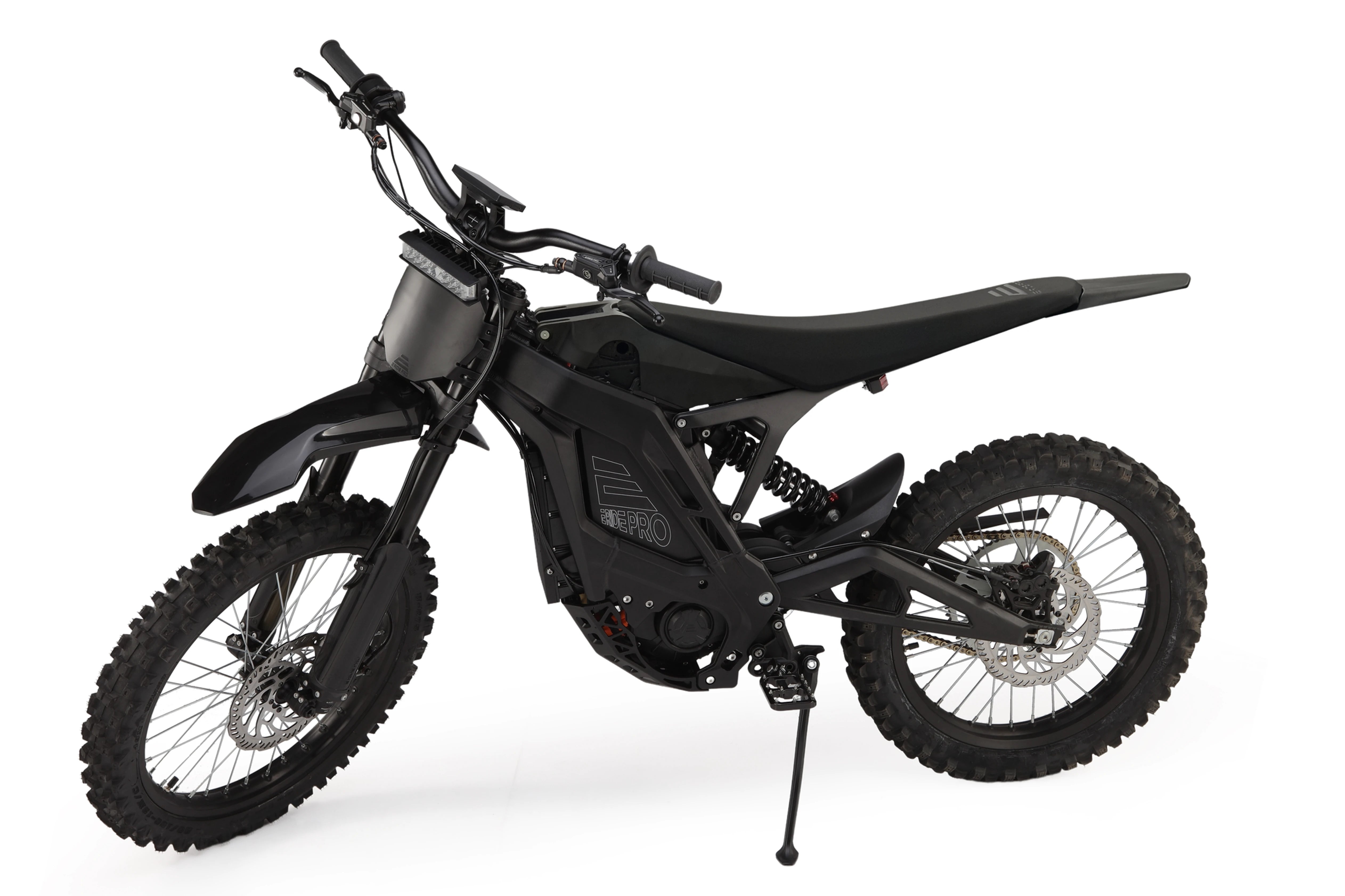


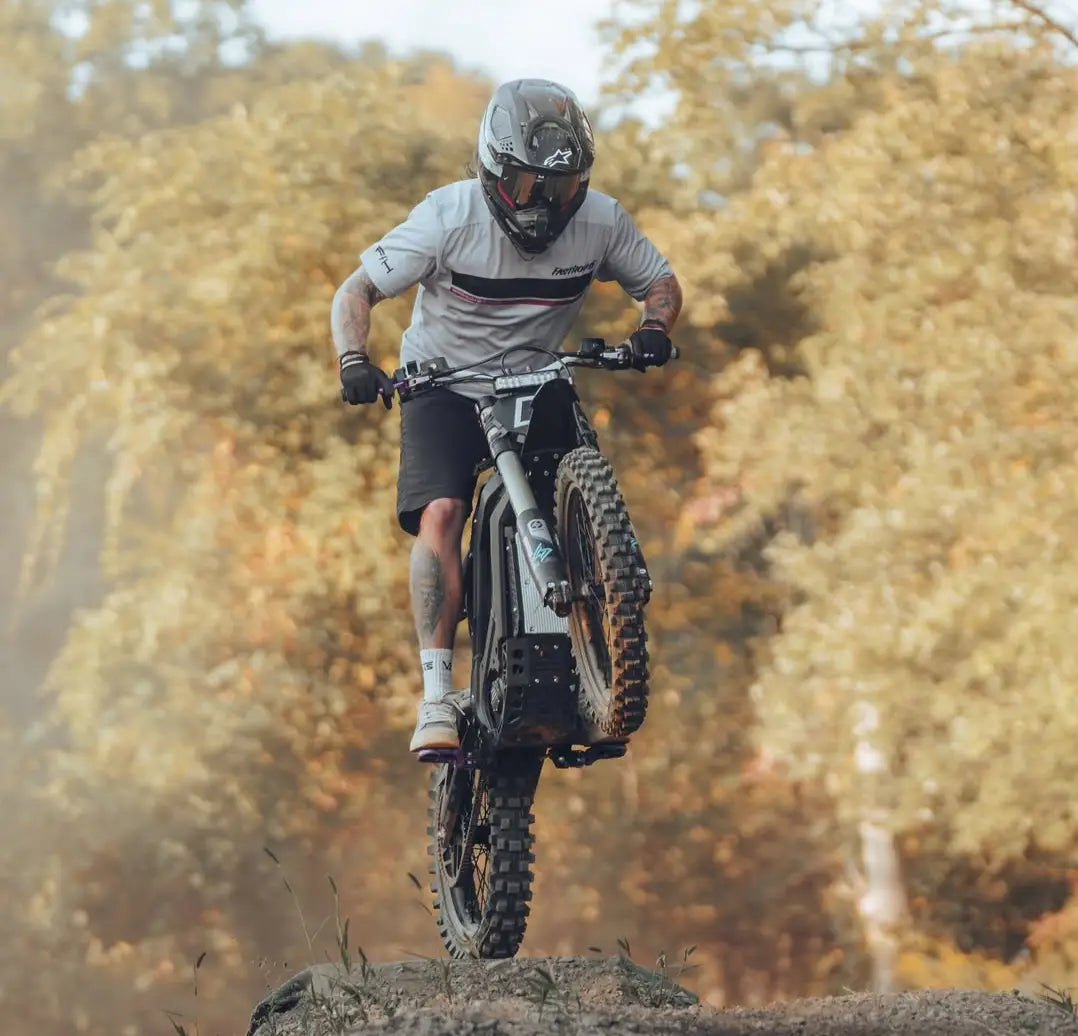
Für Fahrer, die von reinen Offroad-Motorrädern auf leistungsstarke, straßenzugelassene E-Motorräder wie das E Ride Pro oder hochwertige Talaria-Modelle umsteigen, ist eine der verwirrendsten Hürden das Verständnis der Straßenzulassung. In Europa und Großbritannien sind die beiden wichtigsten Klassifizierungsstandards, die diese Fahrzeuge regeln, L1e und L3e.
Die Wahl der richtigen Homologation beeinflusst alles – von den Führerscheinanforderungen über die Versicherungskosten bis hin zur maximalen Straßengeschwindigkeit des Motorrads. Dieser Leitfaden erklärt die Unterschiede zwischen L1e und L3e, um Ihnen bei der Auswahl der legalen Version Ihres nächsten elektrischen Offroad-Motorrads zu helfen.

L1e-Klassifizierung: Das Moped-Äquivalent
Die L1e-Klassifizierung gilt für leichte Fahrzeuge, die rechtlich Mopeds oder Rollern gleichgestellt sind. Dies ist für viele Fahrer der einfachste Weg zur Straßenzulassung.
- Geschwindigkeitsbegrenzung: Muss auf eine Höchstgeschwindigkeit von 45 km/h (28 mph) beschränkt sein.
- Leistungsbegrenzung: Die Nenn-Dauerleistung ist beschränkt (typischerweise auf 4 kW oder weniger).
- Führerscheinvorteil: In vielen europäischen Ländern dürfen L1e-Fahrzeuge mit einem normalen Führerschein der Klasse B (Auto) gefahren werden, wenn dieser vor bestimmten Stichtagen erworben wurde, oder mit einem einfachen AM-Führerschein. Ein voller Motorradführerschein ist somit nicht erforderlich.
- Ideal für: Den Gelegenheitsfahrer oder Pendler, der einfache Legalität über hohe Höchstgeschwindigkeit stellt (z. B. das E Ride Pro SS 2.0 L1e).
L3e-Klassifizierung: Das Motorrad-Äquivalent
Die L3e-Klassifizierung stuft das Fahrzeug als vollwertiges elektrisches Motorrad ein und hebt die strengen Beschränkungen für Geschwindigkeit und Leistung auf.
- Geschwindigkeitsbegrenzung: Unbegrenzt. Das Motorrad kann seine volle Höchstgeschwindigkeit nutzen (z. B. über 60 mph beim E Ride Pro SR).
- Führerscheinanforderung: Der Betrieb erfordert einen speziellen Motorradführerschein (Klasse A1, A2 oder A, je nach lokalen Leistungsregelungen und Alter des Fahrers).
- Leistungsvorteil: Das Motorrad ist bei voller Leistung vollständig straßenzugelassen (z. B. das E Ride Pro SS 3.0 18kW in L3e-Ausführung).
- Ideal für: Den erfahrenen Fahrer, der volle Straßenleistung benötigt und bereits einen Motorradführerschein besitzt.

Der Vorteil der doppelten Homologation (Die Offroad-Realität)
Viele leistungsstarke E-Motorräder, wie das E Ride Pro SR und SS-Modelle, sind mit 18 kW oder 25 kW Motorleistung ausgestattet, werden aber häufig mit L1e-Papieren verkauft.
Diese gängige Praxis ermöglicht es, das Motorrad einfach als langsameres, einfacheres L1e-Fahrzeug zuzulassen und zu versichern. Der leistungsstarke Motor ist dabei nur softwareseitig auf 45 km/h begrenzt. Für den erfahrenen Käufer bedeutet das:
- Die L1e-Beschränkung bleibt für die legale Nutzung auf öffentlichen Straßen erhalten.
- Das Motorrad kann schnell freigeschaltet werden, um auf privatem Gelände und Offroad-Strecken seine volle Leistung und Geschwindigkeit (18 kW oder 25 kW) zu entfalten.
Hinweis: Das Fahren eines freigeschalteten L1e-Fahrzeugs auf öffentlichen Straßen hebt die legale Klassifizierung auf und kann schwerwiegende rechtliche Folgen haben, einschließlich des Erlöschens der Versicherung. Fahren Sie immer legal auf öffentlichen Straßen.
Fazit: Welche Klassifizierung passt zu Ihnen?
Ihre Wahl hängt von Ihrem Führerschein und Ihrem Hauptverwendungszweck ab:
- Wählen Sie L1e (45 km/h): Wenn Sie eine einfache, günstige Straßenzulassung für den Pendelverkehr benötigen und das Motorrad hauptsächlich Offroad (mit Freischaltung) nutzen wollen.
- Wählen Sie L3e (unbegrenzt): Wenn Sie einen vollen Motorradführerschein besitzen und das Motorrad bei hohen Geschwindigkeiten auf öffentlichen Straßen vollständig legal nutzen möchten.
Meinung des Autors: Was die meisten Fahrer über L1e vs. L3e nicht wissen (und warum das so wichtig ist)
Ich verstehe vollkommen, dass nicht jeder einen Motorradführerschein hat – nicht einmal den A1 und schon gar nicht das B196-Upgrade in Deutschland. Aber hier kommt das Kuriose:
Wenn Sie bereits einen Führerschein der Klasse B besitzen, ist die Wahrscheinlichkeit hoch, dass Sie bereits automatisch die Klasse AM mit eingeschlossen haben. Das bedeutet, Sie dürfen jedes L1e-Elektromotorrad legal fahren, ohne jemals eine Motorradausbildung besucht zu haben.
Und hier werden die E Ride-Modelle, besonders das E Ride Pro 3.0 und E Ride Pro SR, absolut verblüffend. Die Vorstellung, dass man ein E Ride Pro SR mit 25 kW Spitzenleistung kaufen und legal als L1e-Fahrzeug mit nur einem AM-Führerschein fahren kann… das ist verrückt. Ich kann immer noch nicht glauben, dass wir an einem Punkt angekommen sind, an dem ein 15-Jähriger legal etwas fahren darf, das sich wie ein 250cc-Viertakt-Motorrad fährt. Es ist unglaublich – aber genau so funktioniert die Regelung.
Wenn Sie doch einen richtigen Motorradführerschein (A1/A2/A) besitzen, dann greifen Sie natürlich direkt zur L3e-Version. Denken Sie nur daran:
-
Sie müssen das Motorrad anmelden
-
Es ist alle zwei Jahre eine technische Prüfung erforderlich
-
Sie erhalten das große, vollwertige Kennzeichen (das LKW-große)
-
Und Ihre Versicherungskosten werden deutlich höher sein
Wenn Ihr Hauptziel also Offroad-Fahren mit gelegentlichem legalem Straßenzugang ist, nehmen Sie die L1e-Version und machen Sie sich keinen Kopf.
Leider gibt es Motorräder wie die Talaria Komodo nur als Offroad- oder L3e-Version – das heißt, AM ist dort nutzlos. Für eine legale Fahrt auf öffentlichen Straßen benötigen Sie mindestens einen A1-Führerschein. Deshalb entscheiden sich viele Fahrer, die sich nicht mit Führerscheinfragen beschäftigen wollen, für das E Ride Pro SR in L1e – es bietet Ihnen enorme Leistung ohne die Führerscheinprobleme.
Noch ein Tipp:
Wenn Sie ein L1e-Motorrad kaufen, nehmen Sie immer die Versicherungsoption mit Diebstahlschutz. Das kostet vielleicht 20–25 € extra pro Jahr, aber stellen Sie sich Folgendes vor: Sie fahren Ihr Motorrad zwei oder drei Jahre, parken es in der Stadt, gehen einen Kaffee trinken, kommen zurück – und es ist weg. Mit Diebstahlschutz erhalten Sie die volle Auszahlung für ein neues Motorrad. Für 25 € im Jahr ist das ein No-Brainer.
(Einige L3e-Versicherungen beinhalten Diebstahlschutz automatisch, falls nicht – fügen Sie ihn hinzu. Es lohnt sich absolut.)
Und falls es noch niemand bemerkt hat:
Jede Version – L1e, L3e, Offroad – kann freigeschaltet werden, um genau wie das volle Offroad-Modell mit voller Leistung zu fahren.
Der einzige Unterschied ist die Papierlage in Ihrer Schublade, nicht das Fahrverhalten des Motorrads.
Wählen Sie also die Homologation, die zu Ihrem Führerschein und Ihren rechtlichen Bedürfnissen passt – die Leistung wird immer auf Sie warten.