Langzeitlagerungsleitfaden von Vector Ebike
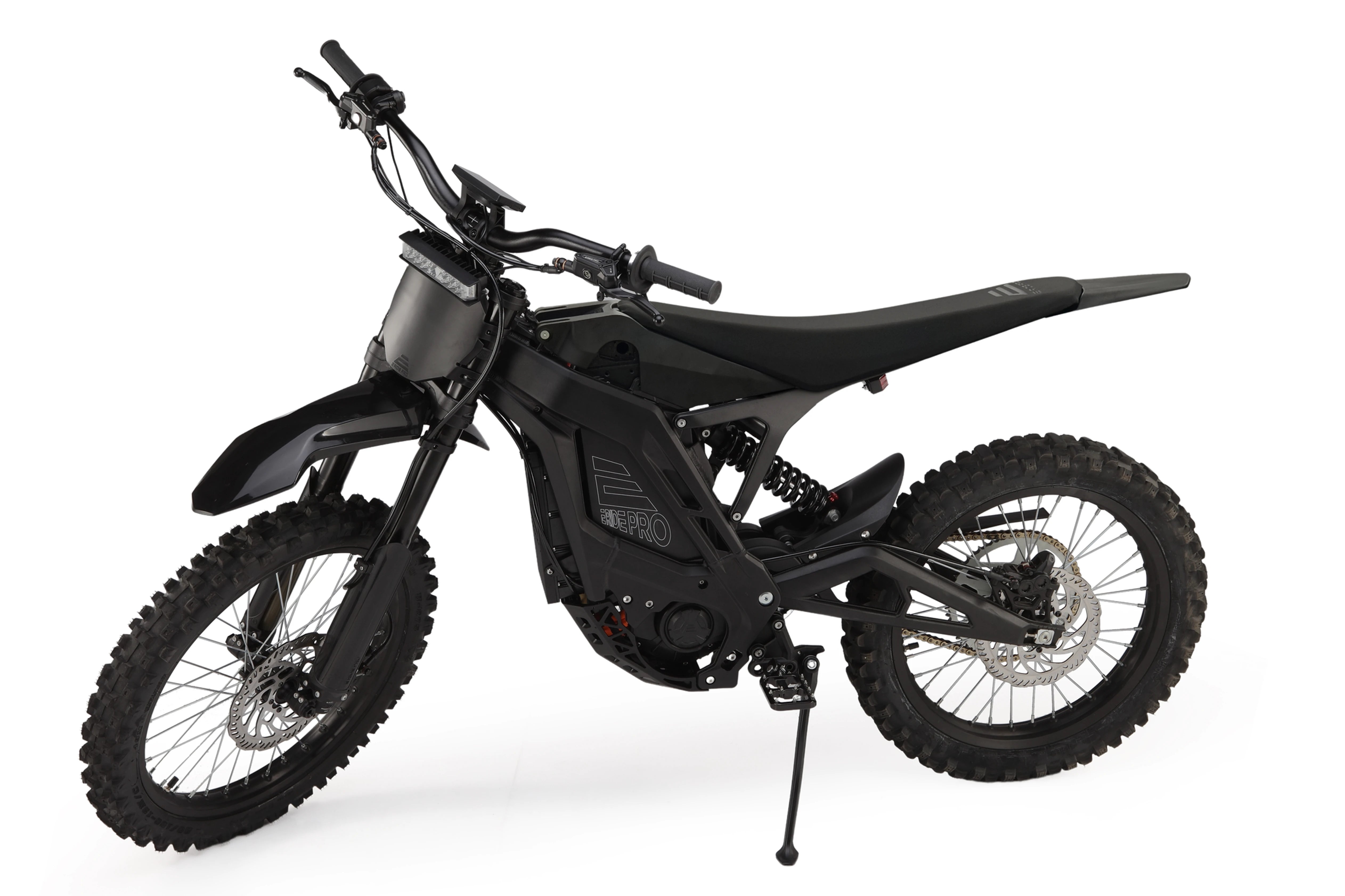
Egal ob Sie ein E Ride Pro, ein Talaria oder eines unserer Vector-Elektromotorräder fahren: Die korrekte Lagerung des Akkus ist entscheidend für seine langfristige Funktionsfähigkeit, Sicherheit und Leistung. Lithium-Ionen-Akkus, die in leistungsstarken E-Motorrädern verwendet werden, sind extrem langlebig – aber nur, wenn sie unter den richtigen Bedingungen gelagert werden.
Bei Vector Ebike arbeiten wir täglich mit Hochleistungssystemen, wie sie beispielsweise in der E-Ride Pro-Serie und der Talaria-Produktreihe zu finden sind. Daher ist dieser Leitfaden speziell für leistungsstarke Akkus im Bereich von 2,5 bis 4,5 kWh optimiert.
Nachfolgend finden Sie die beste Aufbewahrungsstrategie, um die Lebensdauer zu maximieren und eine Verschlechterung der Batterieleistung während des Winters, der Feiertage oder längerer Pausen zu vermeiden.

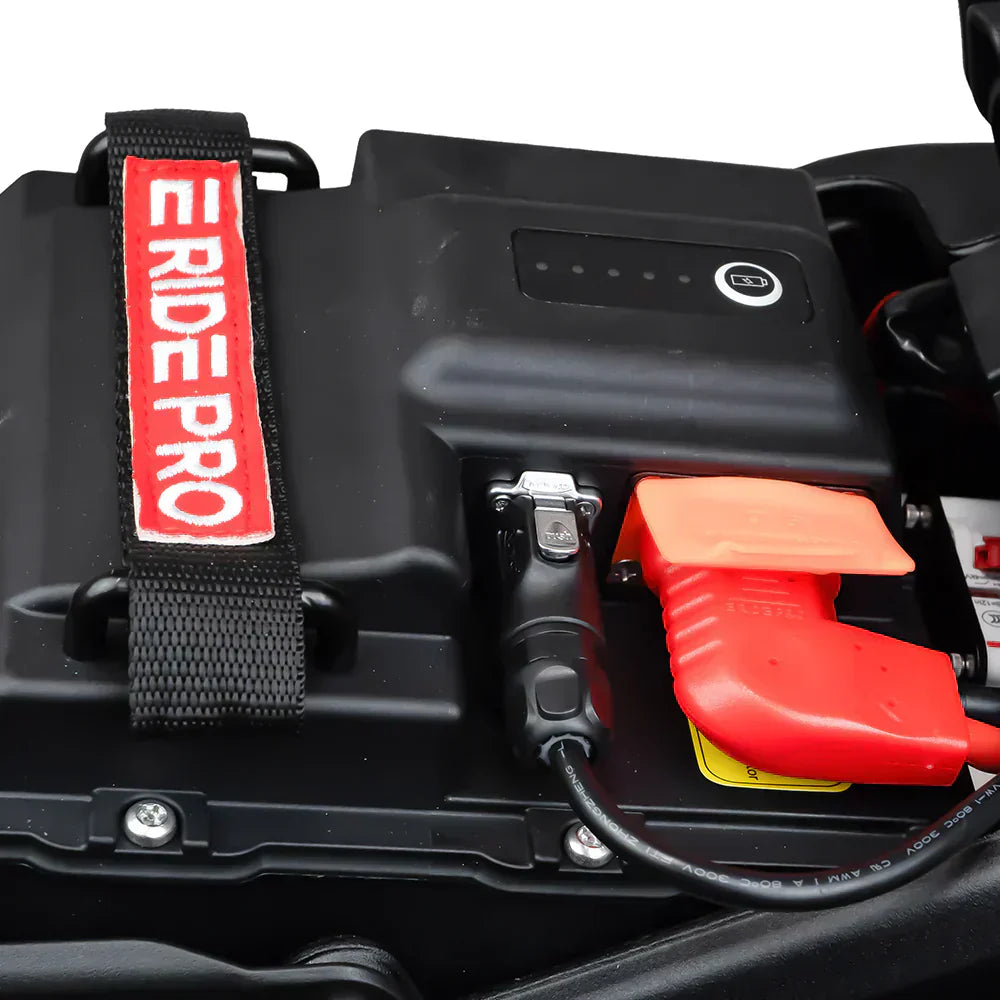
Talaria Komodo Batterie
1. Lagertemperatur: Kühl, trocken und über dem Gefrierpunkt
Die Hersteller von Lithium-Ionen-Zellen sind sich einig, dass kühle und trockene Lagerbedingungen die Alterung der Batterie drastisch verlangsamen.
Ideale Lagerung:
- Temperatur: etwa 5 °C (im besten Fall)
- Niedrigere Temperatur = besser, solange sie über 0 °C bleibt.
- Luftfeuchtigkeit: niedrig, keine Kondensation
- Umgebung: sauber, trocken, keine direkte Sonneneinstrahlung
Bei etwa 5 °C verlangsamen sich die chemischen Reaktionen innerhalb der Zellen deutlich. Dies minimiert die natürliche Alterung und erhält die Zellkapazität über Jahre.
Empfohlene Lagerorte
- Kühle Keller
- frostfreie Garage
- Abstellraum
- Klimastabiler Keller
Vermeiden Sie die Lagerung von Batterien in
- Gefrierumgebungen unter 0 °C
- Direkte Sonneneinstrahlung oder heiße Räume (über 25–30 °C)
- Geschlossene Autos im Sommer
- Feuchte Schuppen oder ungedämmte Dachböden
Wenn Sie in einer heißen Region leben, in der die Innentemperaturen im Sommer 30–40 °C erreichen, sollten Sie die Batterie lagern:
- In einem verschlossenen Schutzbehälter in einem kühlen Keller
- In einem klimastabilen Keller
- In einem unterirdischen Lagerraum Ihres Gebäudes
Hitze ist der Hauptfaktor, der Lithium-Ionen-Zellen zerstört. Durch die Kühlung des Akkus wird seine Lebensdauer erheblich verlängert.
2. Optimaler Ladezustand des Speichers: Ungefähr 70 %
Für die Langzeitlagerung sollte die Batterie weder voll noch fast leer sein.
Vector E-Bike-Empfehlung
- Laden Sie den Akku vor der Lagerung auf ca. 70 % auf.
- Einmal pro Monat prüfen
- Wenn der Ladestand auf unter 40 % sinkt, laden Sie ihn wieder auf 70–80 % auf.
- Vollständig geladen NICHT lagern.
- Lassen Sie den Akku NICHT nahe 0 % entladen.
Warum 70 %?
Weil eine Teilladung die Lithium-Ionen-Chemie am wenigsten belastet, indem sie das niedrigste praktikable Ladezustandsspannungspotenzial (SOC) aufrechterhält, ohne das Risiko einzugehen, dass die Batterie in einen kritischen Tiefentladungszustand gerät.
Diese Regel gilt für:
- E Ride Pro
- Talaria
- Vector-Spezialbatterien und andere Lithium-Ionen-Batterien
Wenn sich Ihre Batterie deutlich schneller entlädt als erwartet, sollten Sie sie überprüfen lassen. Sie können uns direkt kontaktieren.
3. Vorgehensweise bei der Winterlagerung (Schritt für Schritt)
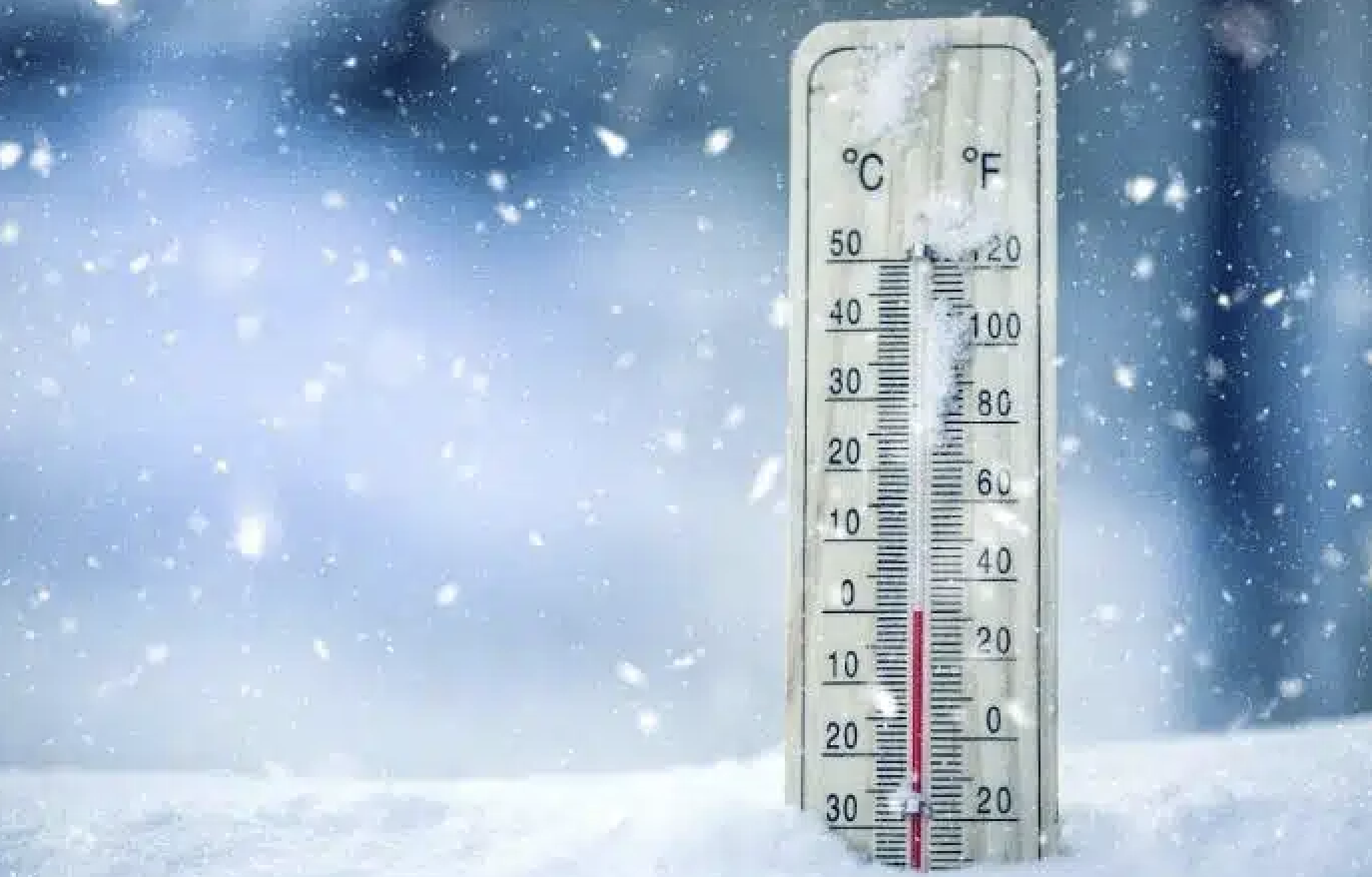
Falls winterliche Bedingungen das Fahren verhindern, befolgen Sie diese Vorgehensweise:
Schritt 1 – Batterie entfernen
Nehmen Sie die Batterie aus Ihrem Gerät heraus:
- E Ride Pro
- Talaria Motorrad
- Vector E-Bike-Modell
Vor dem Einlagern Feuchtigkeit und Schmutz abwischen.
Schritt 2 – Auf ca. 70 % aufladen
Lassen Sie es nicht tagelang am Ladegerät. Laden Sie es einfach nur teilweise auf.
Schritt 3 – Kühl und trocken lagern
Wählen Sie einen Ort mit einer Temperatur um die 5 °C, der aber deutlich über dem Gefrierpunkt liegt.
Bei Lagerung in einer Garage:
- Platzieren Sie die Batterie auf einer erhöhten Fläche (vermeiden Sie direkten Kontakt mit kalten Betonböden).
- Stellen Sie sicher, dass keine Feuchtigkeit darauf tropfen kann.
Schritt 4 – Grundlegende Sicherheitsmaßnahmen hinzufügen
Wir empfehlen:
- ein Rauchmelder im Abstellraum
- Die Batterie von brennbaren Materialien fernhalten
- Wenn möglich, eine feuerfeste Box verwenden.
Schritt 5 – Monatliche Überprüfung
Alle 30 Tage:
- Ladestand prüfen
- Wenn der Wert nahe 40 % liegt, laden Sie ihn wieder auf 70–80 % auf.
- Wichtig: Nur bei Raumtemperatur (ca. 20 °C) laden.
Wurde der Akku kalt gelagert, sollte er sich vor dem Laden einige Stunden oder über Nacht erwärmen. Das Laden kalter Zellen erhöht das Risiko interner Schäden.
4. Vorbereitung des Motorrads für die Langzeitlagerung
Wird die Batterie entfernt, benötigt das verbleibende Motorrad während längerer Lagerung dennoch grundlegende Pflege, um statische Schäden zu vermeiden:
- Reinigung: Stellen Sie sicher, dass das Motorrad vor der Einlagerung gründlich gereinigt und getrocknet wird, insbesondere im Bereich des Motors und des Controllergehäuses, um Korrosion zu vermeiden.
- Reifendruck: Pumpen Sie die Reifen auf den maximal empfohlenen Reifendruck (PSI) auf, um zu verhindern, dass sich im Laufe mehrerer Monate Standplatten am Gummi bilden.
- Federung: Heben Sie das Motorrad auf einen stabilen Montageständer (z. B. einen Motocross-Ständer), um die Reifen und Federungskomponenten zu entlasten. So verhindern Sie am besten, dass sich Dichtungen in einer Position verhärten.
5. Aufbewahrung einer Batterie während längerer Sommerpausen
Wird das Motorrad im Sommer mehrere Wochen oder Monate lang nicht benutzt (Urlaub, Verletzung, voller Terminkalender), gelten genau dieselben Regeln:
- kühlstmöglicher Trockenraum
- auf ~70% aufladen
- Vermeiden Sie Umgebungstemperaturen von 35–40 °C.
- einmal pro Monat prüfen
Wenn es in Ihrem Haus im Sommer extrem heiß wird, verwenden Sie Folgendes:
- ein Keller
- unterirdische Lagerung
- oder ein gut belüfteter Raum mit gleichmäßiger, kühler Temperatur
6. Fahren vs. Laden bei kalten Temperaturen
Das ist von entscheidender Bedeutung:
Fahren bei kaltem Wetter
JA – völlig in Ordnung.
Die Reichweite wird vorübergehend verringert, die Batterieleistung wird jedoch nicht beeinträchtigt.
Laden bei Kälte
NEIN — nicht unter 0°C laden.
Das Laden kalter Zellen kann die Batteriechemie dauerhaft schädigen.
Die Batterie sollte immer zuerst auf Raumtemperatur erwärmt werden.
Das Laden kalter Zellen erhöht das Risiko interner Schäden.
7. Wann Sie Vector Ebike kontaktieren sollten
Wenn Sie Folgendes bemerken:
- ungewöhnlich schnelle Selbstentladung
- plötzlicher Kapazitätsverlust
- unerwartete Abschaltungen
…Ihre Batterie sollte von einem Fachmann geprüft werden.
Sie können uns direkt kontaktieren.
Wir liefern:
- Ersatzbatterien
- individuelle Vector E-Bike-Pakete
- verbesserte Hochleistungsakkus für E Ride und Talaria
- Diagnose- und Serviceunterstützung
8. Zusammenfassung: Formel zur Speicherung der Vector-E-Bike-Batterie
- Temperatur: kühl, trocken, idealerweise 5 °C, niemals unter dem Gefrierpunkt.
- Ladezustand: Bei ca. 70 % speichern, bei Bedarf monatlich aufladen
- Sicherheitshinweis: Vom Motorrad entfernen, erhöht lagern, Rauchmelder empfohlen
- Saisonale Flexibilität: Dieselbe Methode eignet sich für die Langzeitlagerung im Winter oder Sommer.
- Laden: nur bei Raumtemperatur
- Support: Akku-Gesundheitschecks, Upgrades und Austausch sind bei Vector Ebike erhältlich.
Weitere Informationen zu den Elektromotorrädern E Ride, Talaria und Vector finden Sie unter:
Startseite
E-Ride Pro Bikes
Talaria Motorrader
Meinung des Autors: Was wir aus 10 Jahren realer Kundenfälle gelernt haben
In den vergangenen zehn Jahren mussten wir bei Vector Ebike leider immer wieder dasselbe Problem feststellen – und die Ursache liegt stets in einer fehlerhaften Langzeitlagerung.
Viele Kunden hatten nicht geplant , ihr Elektromotorrad lange einzulagern. Sie dachten, sie würden bald wieder fahren, vielleicht nächste Woche, vielleicht nach einer kurzen Reise. Doch aufgrund verschiedener Lebensumstände – Wetter, Verletzungen, Arbeit, Reisen oder schlicht Zeitmangel – wurde aus der geplanten „kurzen Pause“ oft eine zwei- bis dreimonatige , manchmal sogar eine halbe Saison und in einigen Fällen noch länger.
Als sie schließlich zum Motorrad zurückkehrten, stellten sie fest, dass die Batterie tiefentladen war und das Motorrad sich nicht mehr einschalten ließ.
In einigen dieser Fälle mussten wir:
-
Batterie öffnen,
-
einen kontrollierten Genesungsprozess versuchen,
-
Reparieren Sie das BMS oder gleichen Sie die Zellen manuell aus.
Manchmal konnten wir die Batterie retten – manchmal war sie aber auch irreparabel beschädigt und musste ersetzt werden.
Der zugrundeliegende Grund war immer derselbe:
Das Motorrad wurde länger als erwartet gelagert, und der Ladezustand war für eine echte Langzeitlagerung zu niedrig .
Genau deshalb empfehlen wir, Batterien bei etwa 70 % Ladung zu lagern und nicht bei 50 %, wie manche Online-Quellen vorschlagen. Im Alltag nehmen sich viele Menschen vor , ihre Batterie alle zwei Wochen zu überprüfen – tun dies aber oft monatelang nicht.
Was bei einer kurzen Pause von ein bis zwei Wochen unproblematisch wäre, kann für die Batterie gefährlich werden, wenn sich die Pause über mehrere Monate erstreckt. Das Batteriemanagementsystem (BMS) verbraucht weiterhin eine geringe Menge Energie, und auch die Selbstentladung setzt sich fort. Startet die Batterie beispielsweise mit nur 40–50 % Ladung, kann sie unbemerkt in den Tiefentladungsbereich absinken.
Deshalb empfehlen wir:
-
70–80 % bei normaler Langzeitlagerung,
-
und sogar bis zu 90%, wenn Sie im Voraus wissen, dass Sie für eine sehr lange Zeit abwesend sein werden und die Batterie überhaupt nicht überprüfen können .
Diese Empfehlungen sind nicht theoretisch – sie basieren ausschließlich auf realen Erfahrungsberichten unserer Kunden aus den letzten zehn Jahren. Wenn Sie die Hinweise in diesem Artikel befolgen, schützen Sie Ihren Akku, verlängern seine Lebensdauer und vermeiden unnötige Reparaturkosten oder das Risiko eines Totalausfalls.
Sollten Sie jemals Hilfe bei der Diagnose Ihrer Batterie benötigen oder eine neue kaufen wollen, können Sie uns jederzeit über unsere Kontaktseite erreichen.